Sweatshirts Pricing Guide: Understanding the Cost Per Unit For businesses looking to produce custom sweatshirts, understanding the sweats...
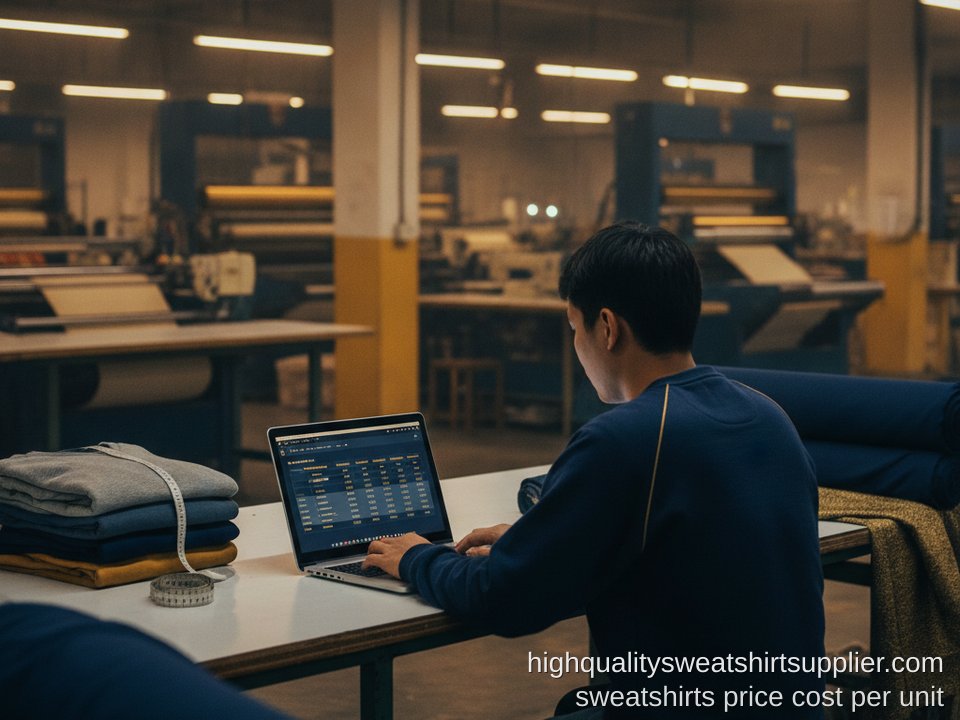
Sweatshirts Pricing Guide: Understanding the Cost Per Unit
For businesses looking to produce custom sweatshirts, understanding the sweatshirts price cost per unit is fundamental to accurate budgeting and profitability. As a professional sweatshirt manufacturer in Vietnam, High Quality Sweatshirt Supplier, operated by Gold Garment, aims to demystify this crucial aspect of production. This guide will break down the key factors influencing your per-unit cost, empowering you to make informed decisions when sourcing your custom apparel.
Navigating the complexities of garment manufacturing pricing can be challenging. However, by understanding the core components that contribute to the final sweatshirts price cost per unit, you can effectively communicate your needs to suppliers and secure the best possible value. We'll delve into everything from fabric selection and design complexity to production volume and shipping logistics.
At High Quality Sweatshirt Supplier, we believe in transparency. Our factory-direct pricing, backed by over a decade of experience at our Gold Garment facility in Ho Chi Minh City, ensures you receive competitive rates without compromising on quality. For a deeper understanding of our operational principles and how we achieve these efficiencies, explore our Gold Garment factory-direct pricing and commitment to quality.
Key Factors Influencing Sweatshirt Cost Per Unit
The sweatshirts price cost per unit is not a static figure; it's a dynamic calculation influenced by a multitude of variables. Recognizing these elements is the first step towards a successful and cost-effective production run.
1. Fabric Selection and Quality
The foundation of any sweatshirt is its fabric. The type of material chosen significantly impacts both the feel and the price. Common options include:
- Cotton Fleece: A popular choice for its warmth and softness, available in various weights (GSM). Higher GSM generally means a thicker, warmer, and often more expensive fabric.
- French Terry: Known for its loop-back construction, offering a lighter feel and breathability, suitable for transitional weather.
- Blends: Cotton-polyester blends offer durability, wrinkle resistance, and can be more cost-effective than 100% cotton. The ratio of cotton to polyester influences cost and performance.
- Performance Fabrics: Specialized synthetic blends designed for moisture-wicking and stretch will typically command a higher price.
For a comprehensive overview of the materials available, consult our Sweatshirt Fabric Guide: GSM, Fleece, French Terry & Performance Blends. The quality and origin of the fabric also play a role; premium yarns or ethically sourced materials may increase the overall sweatshirts unit price Vietnam.
2. Design Complexity and Embellishments
The intricacy of your sweatshirt design directly affects production time and cost. Simple, single-color prints are generally the most economical. More complex designs involving multiple colors, gradients, or intricate patterns will increase the sweatshirts price cost per unit.
Embellishments like embroidery, puff prints, chenille patches, or specialized techniques such as screen printing with puff ink or metallic finishes add to the labor and material costs. The number of print locations (e.g., front, back, sleeves) also contributes to the final price. For those exploring branding options, understanding OEM vs Private Label Sweatshirts: Choosing the Right Model for Your Brand can help clarify your production needs.
3. Sweatshirt Style and Construction
Different sweatshirt styles have varying construction requirements, impacting their cost. A basic crewneck sweatshirt is generally less expensive to produce than a zip-up or a hooded style, which involves additional zippers, drawstrings, and hood construction.
Features like ribbed cuffs and hem, kangaroo pockets, or contrasting lining also add to the complexity and, consequently, the price. Exploring different silhouettes is essential for finding the right balance of style and cost. Our Sweatshirt Styles Guide: Crewneck, Zip-Up, Half-Zip & Quarter-Zip Compared offers a detailed look at these options.
4. Production Volume (MOQ)
The principle of economies of scale is highly relevant in apparel manufacturing. Higher production volumes generally lead to a lower sweatshirts price cost per unit. Manufacturers can optimize their processes, reduce setup times, and negotiate better prices for raw materials when producing in larger batches.
At High Quality Sweatshirt Supplier, our Minimum Order Quantity (MOQ) is typically 100 pieces per style. While this is a common benchmark, producing significantly more units can unlock substantial cost savings. Understanding your target volume is crucial for negotiating pricing. For more information on this, refer to our Sweatshirt MOQ Guide: Minimum Order Quantities for Custom Production.
5. Manufacturing Location and Labor Costs
The geographical location of the manufacturing facility plays a significant role in pricing. Countries with lower labor costs and established garment industries, such as Vietnam, often offer more competitive pricing for bulk production. This is a key advantage for brands seeking cost-effective solutions without sacrificing quality.
As a professional manufacturer based in Ho Chi Minh City, Vietnam, we leverage our strategic location and skilled workforce to provide exceptional value. This allows us to offer competitive sweatshirt OEM cost for a wide range of custom designs. The efficiency of our operations as a Gold Garment high quality sweatshirt manufacturer is a testament to our commitment to excellence and affordability.
6. Customization and Branding
Beyond the garment itself, the methods used for branding contribute to the overall cost. This includes custom labels, hangtags, and packaging. The complexity and quantity of these elements will be factored into your sweatshirts price cost per unit.
For brands looking to establish a unique identity, investing in custom branding elements is essential. We offer comprehensive OEM and private label services to ensure your sweatshirts perfectly represent your brand from the initial design to the final product. Our entire production process is detailed in our Sweatshirts: Complete OEM & Private Label Manufacturing Buyer's Guide.
7. Shipping and Logistics
The cost of shipping your finished sweatshirts from the manufacturing facility to your desired destination is a significant factor. This includes freight charges, customs duties, and any applicable taxes. Worldwide shipping is a core service we provide, and we work to offer efficient and cost-effective logistics solutions.
The destination country, shipping method (air vs. sea freight), and the total weight and volume of your order will influence these costs. It's important to factor these into your overall budget when calculating the landed cost per unit. Understanding the entire production workflow, from raw materials to finished goods, is key to accurate budgeting. As explained in our article on How Sweatshirts Are Made: The Complete Manufacturing Process Explained, every step has an impact.
Calculating Your Sweatshirts Price Cost Per Unit
To arrive at your final sweatshirts price cost per unit, you need to sum up all the individual cost components. This typically includes:
- Raw material costs (fabric, thread, zippers, etc.)
- Manufacturing labor costs
- Embellishment and printing costs
- Quality control and inspection costs
- Packaging and labeling costs
- Factory overhead and profit margin
- Shipping and freight charges
- Customs duties and taxes
Working with a transparent manufacturer like High Quality Sweatshirt Supplier means you can obtain detailed quotes that break down these costs. This allows for better negotiation and ensures you are paying a fair price for the quality and service received. Your final sweatshirts price cost per unit will reflect the sum of these elements, optimized by production volume and efficient manufacturing practices.
Frequently Asked Questions
Q: How does the GSM of the fabric affect the price?
A: GSM (Grams per Square Meter) indicates fabric weight. Higher GSM fabrics are generally denser and warmer, requiring more material, which typically results in a higher cost per unit. However, it also signifies higher quality and durability for heavier sweatshirts.
Q: Can I get a lower price per unit if I increase my order quantity?
A: Absolutely. Increasing your order quantity, especially beyond the MOQ, allows manufacturers to achieve economies of scale. This reduces per-unit costs for materials, labor, and setup, leading to significant savings on your overall sweatshirts price cost per unit.
Q: What are the biggest cost drivers for custom sweatshirts?
A: The biggest cost drivers are typically the fabric quality and weight, the complexity of the design and embellishments (like intricate embroidery or multi-color prints), and the overall production volume. Shipping costs can also be a substantial factor depending on the destination.
Q: How can I ensure I'm getting competitive sweatshirt OEM cost?
A: To ensure competitive sweatshirt OEM cost, obtain quotes from multiple reputable manufacturers, clearly define your specifications (fabric, design, quantity), and compare pricing based on the total landed cost, including shipping and duties. Look for manufacturers with a proven track record and factory-direct pricing.
Understanding the intricacies of sweatshirts price cost per unit is vital for any brand or business planning custom apparel production.
By partnering with an experienced manufacturer like High Quality Sweatshirt Supplier, you gain access to expert guidance and competitive factory-direct pricing to bring your vision to life.
📩 Request a Free Quote — Response Within 5 Minutes
🌎 Website: highqualitysweatshirtsupplier.com
Factory-direct pricing · MOQ from 100 pcs/style · Sample development · Worldwide shipping


