Sweatshirts Fabric Guide: GSM, Fleece, French Terry & Performance Blends Selecting the right fabric is paramount when sourcing custom...
Sweatshirts Fabric Guide: GSM, Fleece, French Terry & Performance Blends
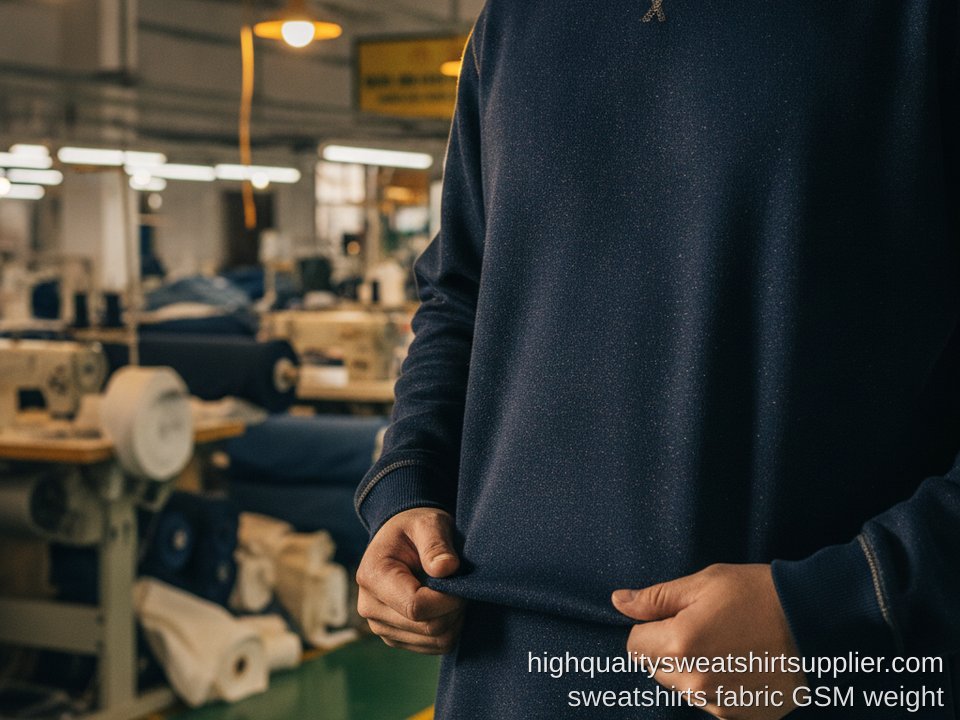
Selecting the right fabric is paramount when sourcing custom sweatshirts for your brand. The material directly influences comfort, durability, aesthetic, and ultimately, customer satisfaction. Understanding fabric weights, particularly sweatshirts fabric GSM weight, is a critical first step for any technical buyer. This guide will delve into the nuances of common sweatshirt fabrics, helping you make informed decisions for your next production run.
At High Quality Sweatshirt Supplier, operated by Gold Garment in Ho Chi Minh City, Vietnam, we understand that the foundation of a superior sweatshirt lies in its material. We offer factory-direct pricing and worldwide shipping, with a flexible MOQ of 100 pieces per style, ensuring quality and value for brands of all sizes. Our expertise in sweatshirt GSM guide ensures you receive garments that meet your exact specifications.
Choosing the right fabric involves more than just feel; it's about performance, longevity, and suitability for your target market. Whether you're looking for ultimate warmth, a lightweight option for transitional weather, or something with enhanced athletic capabilities, the fabric composition and weight are key determinants. This comprehensive overview aims to demystify these choices, providing you with the knowledge to source effectively. For those interested in the broader landscape of textile sourcing, a detailed guide at Vietnam textile sourcing offers valuable insights into the advantages of manufacturing in the region.
Understanding Sweatshirt Fabric Weight: The GSM Factor
The term GSM stands for Grams per Square Meter, and it's the universal standard for measuring fabric density and weight. When discussing sweatshirts fabric GSM weight, a higher GSM indicates a denser, heavier, and often warmer fabric. Conversely, a lower GSM signifies a lighter, more breathable material. This metric is crucial for setting expectations regarding the garment's warmth, drape, and durability.
Why GSM Matters for Sweatshirts
For technical buyers, understanding GSM is essential for several reasons. It directly impacts:
- Warmth: Higher GSM fabrics trap more air, providing superior insulation, making them ideal for colder climates or winter collections.
- Durability: Denser fabrics generally withstand more wear and tear, leading to a longer product lifespan.
- Drape and Structure: The weight of the fabric influences how a sweatshirt hangs on the body, affecting its overall silhouette and aesthetic appeal.
- Cost: Generally, higher GSM fabrics require more raw material, which can translate to a higher per-unit cost, though factory-direct pricing from manufacturers like us helps mitigate this.
A common range for sweatshirt fabrics can be anywhere from 200 GSM for lightweight options to over 400 GSM for heavy-duty fleece. Knowing your desired outcome will guide your GSM selection. For instance, a brand focusing on athleisure might opt for a mid-weight fabric, while one catering to outdoor enthusiasts might prioritize a higher GSM.
Common Sweatshirt Fabric Types
The world of sweatshirt fabrics is diverse, with each material offering unique properties. The most prevalent types include fleece, French terry, and various performance blends. Understanding the characteristics of each will help you align your fabric choice with your brand's identity and functional requirements.
Fleece: The Classic Warmth Provider
Fleece is arguably the most iconic sweatshirt fabric. It's characterized by a soft, napped surface on one or both sides, created by brushing the fabric to raise its fibers. This process creates air pockets that trap heat, making fleece exceptionally warm and cozy.
Types of Fleece
- Brushed Fleece: The most common type, featuring a brushed interior for softness and warmth. This is what most people envision when thinking of a traditional sweatshirt.
- Unbrushed Fleece (Loopback): This refers to the reverse side of fleece, where the loops of yarn are visible, similar to French terry. It's less plush but can be more breathable.
- Polar Fleece: Typically made from polyester, this is a synthetic fleece known for its excellent warmth-to-weight ratio and quick-drying properties.
When considering fleece vs jersey sweatshirts, fleece offers significantly more insulation. However, jersey, often a knit fabric like cotton or a blend, can be lighter and more breathable, making it suitable for milder weather or activewear. The GSM of fleece can range widely, from around 250 GSM for lighter versions to 400+ GSM for exceptionally warm options.
French Terry: The Breathable Alternative
French Terry is a knitted fabric that features a smooth surface on the outside and distinctive loops on the inside. Unlike brushed fleece, the interior loops are left intact, creating a fabric that is soft, absorbent, and more breathable than traditional fleece. This makes french terry sweatshirts an excellent choice for transitional weather, activewear, or for those who prefer a less bulky feel.
Key Characteristics of French Terry
- Breathability: The loop construction allows for better air circulation, making it ideal for active use.
- Absorbency: French terry wicks moisture away from the skin effectively.
- Softness: While less plush than brushed fleece, it offers a comfortable, smooth hand-feel.
- Drape: It tends to have a lighter drape than heavy fleece, offering a more relaxed fit.
French terry is typically found in the 200-300 GSM range, making it a versatile option. Brands often choose French terry for its modern, athletic aesthetic and its comfort during moderate activity. For a deeper dive into garment construction, our article on How Sweatshirts Are Made: The Complete Manufacturing Process Explained provides excellent context.
Performance Blends: Engineered for Functionality
In recent years, performance blends have gained significant traction in the apparel industry, including for sweatshirts. These fabrics are engineered to offer specific functionalities beyond basic comfort and warmth. They often combine natural fibers like cotton with synthetic materials such as polyester, spandex, or nylon.
Benefits of Performance Blends
- Moisture-Wicking: Many performance blends are designed to pull sweat away from the body, keeping the wearer dry and comfortable.
- Stretch and Recovery: The inclusion of spandex or elastane provides excellent stretch and ensures the fabric retains its shape after repeated use and washing.
- Durability and Resilience: Synthetic fibers can enhance the fabric's resistance to abrasion and pilling.
- Odor Control: Some advanced blends incorporate antimicrobial treatments to prevent odor buildup.
- Lightweight: Performance fabrics can often achieve high levels of function while remaining surprisingly lightweight.
These blends are ideal for activewear, athleisure, and brands aiming for a modern, technical look. The sweatshirts fabric GSM weight for performance blends can vary greatly, but they often fall in the mid-weight range to balance breathability and warmth. For brands exploring different manufacturing models, understanding OEM vs Private Label Sweatshirts: Choosing the Right Model for Your Brand is crucial.
Choosing the Right Fabric for Your Brand
The decision on which fabric to use for your custom sweatshirts hinges on your brand's identity, target audience, and intended use of the garment. Consider these factors:
- Target Market: Are you serving a fashion-forward audience, athletes, or a general consumer base?
- Climate: Will your sweatshirts be worn in cold or mild climates?
- Activity Level: Are they intended for casual wear, intense workouts, or a combination?
- Brand Aesthetic: Do you prioritize a classic, cozy feel, or a modern, technical look?
For a classic, warm, and comfortable sweatshirt, a mid to heavy-weight fleece (280-350 GSM) is often the best choice. If breathability and a lighter feel are key, especially for active use or warmer seasons, French terry (200-280 GSM) is an excellent alternative. For specialized performance needs, such as moisture-wicking or enhanced stretch, performance blends offer the most tailored solutions.
Our extensive experience in manufacturing means we can guide you through these choices. We've worked with numerous brands to bring their vision to life, as demonstrated by Vietnam sweatshirt OEM factory Gold Garment. We pride ourselves on offering factory-direct pricing and a low MOQ of 100 pieces per style, making custom production accessible. You can also learn more about the various Sweatshirt Styles Guide: Crewneck, Zip-Up, Half-Zip & Quarter-Zip Compared to complement your fabric choice.
Frequently Asked Questions
Q: What is the ideal sweatshirt fabric GSM weight for a year-round product?
A: For a year-round sweatshirt, a mid-weight fabric, typically between 250-300 GSM, is often ideal. This range offers a good balance of warmth for cooler days and breathability for milder conditions, making it versatile for various seasons and activities.
Q: How does the fabric choice affect the cost of custom sweatshirts?
A: Fabric choice significantly impacts cost. Higher GSM fabrics, denser weaves, and premium material blends generally command higher prices due to increased raw material usage and production complexity. However, sourcing directly from a manufacturer like us can help optimize costs.
Q: Is French Terry or Fleece better for athletic performance?
A: French Terry is generally considered better for athletic performance due to its superior breathability and moisture-wicking properties, thanks to its loopback construction. Fleece, while warmer, can be less breathable and may trap heat and moisture during intense activity.
Q: What are the benefits of working with a Vietnam-based manufacturer like Gold Garment?
A: Working with a Vietnam-based manufacturer like Gold Garment offers advantages such as competitive factory-direct pricing, high-quality craftsmanship, and efficient global shipping. Vietnam is a leading hub for textile production, offering expertise and a robust supply chain. For brands looking to understand the nuances of minimum order quantities, our Sweatshirts MOQ Guide: Minimum Order Quantities for Custom Production is a valuable resource.
Choosing the right fabric is a cornerstone of successful custom sweatshirt production. We are committed to providing you with the highest quality materials and manufacturing expertise from our facility in Ho Chi Minh City.
📩 Request a Free Quote — Response Within 5 Minutes
🌎 Website: highqualitysweatshirtsupplier.com
Factory-direct pricing · MOQ from 100 pcs/style · Sample development · Worldwide shipping


